Muhammad Yunus’ 2026 Presidential Strategy and the Jamaat–NCP Alliance
Muhammad Yunus’ 2026 Presidential Strategy and the Jamaat–NCP Alliance


After Sheikh Hasina’s long rule, many hoped Bangladesh’s politics would see a fresh start. The interim government led by Muhammad Yunus was expected to oversee a fair and neutral transition. However, recent developments suggest Yunus may be quietly building a political base to prepare for a future presidential run. While he has not openly stated any such ambition, his moves tell a different story—a story of political strategy and alliance-building that goes beyond caretaker duties.
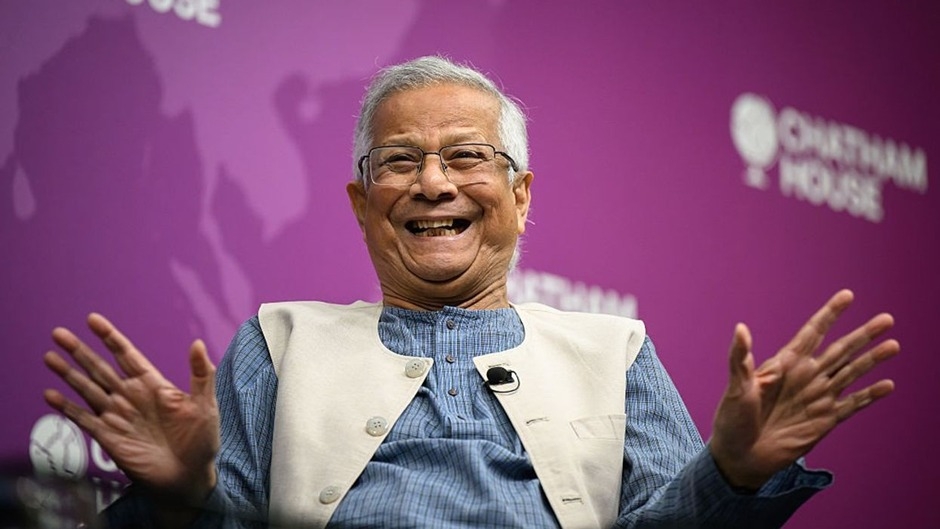
Image: https://www.easterneye.biz/bangladesh-muhammad-yunus-to-step-down-after-april-polls/
A Surprising Alliance
The National Citizen Party (NCP), a political organization born out of the 2024 student protests, joined Yunus’ interim government to help push for reforms. This partnership seemed natural to many. What surprised the public more was the return of Jamaat-e-Islami (JI), banned for over a decade, into the political fold—also aligned with Yunus and NCP’s plan. This combination gives Yunus something unusual for a caretaker leader, support from a youth-led party with popular credibility alongside a large, well-organized grassroots group in Jamaat. Together, they form an electoral team poised for influence and power raising questions about whether Yunus is building a coalition for the country’s benefit or for his own political future.
Signs of President-in-Waiting
Supporters of Yunus admire his reputation and international standing. They believe his experience makes him a strong candidate for the presidency. Yet people see clear signs he is gearing up for the role:
- He controls many important decisions, acting more like a head of state than a neutral caretaker.
- His alliance with NCP and Jamaat benefits these parties politically, helping them regain power after years of exclusion.
- He weakens traditional parties like the Awami League and fractures the BNP-Jamaat partnership and creating room for himself.
- When asked about future political ambitions, Yunus neither denies nor confirms, allowing rumours to grow and speculation to thrive.
Silence in politics often means much more than words.
A Fragile Balance
If Yunus aims for the presidency, he is using the classic technocratic approach, keeping up a neutral public image while others do the political footwork. This arrangement helps all involved: NCP gains legitimacy and influence by being close to power, Jamaat enjoys renewed political life after a long ban and Yunus looks like the unifying figure who rises above political conflicts. But this alliance is fragile. It depends on shared interests that could fall apart when tested. More importantly, it sidelines the public, which undermines true democracy by turning a promised political renewal into a carefully controlled script written behind closed doors.
BNP: The Persistent Rival
Despite internal troubles, the Bangladesh Nationalist Party (BNP) remains the main opponent to Yunus’ coalition. BNP still enjoys strong support, especially among older voters and rural communities who are sceptical of youth parties and Jamaat’s return. However, BNP faces a shrinking space due to what many see as an unfair advantage for the interim government. If Yunus runs for president, BNP will likely label him a “self-appointed” leader using his position for personal gain, a narrative that could resonate with voters unhappy with political manipulation.
The Stakes Are High for Democracy
The possible presidential ambitions of Yunus add to other worrying political signs in Bangladesh:
- Jamaat’s political comeback without wide public agreement, raising fears about ignoring past controversies.
- The rapid rise of a youth-led party lacking deep political experience.
- Signs of selective political justice against former ruling elites.
- A growing gap between Yunus’ promises of fairness and political reality.
This combination threatens to turn the upcoming election into an event shaped by personal power plays rather than by the will of the people.
In Conclusion
Muhammad Yunus’ role as interim leader appears less like a neutral caretaker and more like a calculated power player. His coalition with Jamaat-e-Islami and the National Citizen Party, in rivalry with BNP, makes the upcoming presidential race a high-stakes contest between political ambition and the need for genuine democratic choice. Bangladesh’s struggling democracy faces a critical test: will it be shaped by open, fair participation or by behind-the-scenes deals? As voters watch closely, their demand for transparency and honest leadership becomes more crucial than ever. Only by staying informed and engaged can Bangladesh ensure that its future is determined by the people, not by political gamesmanship.
References:
https://www.dw.com/en/bangladesh-elections-could-be-held-in-2025-says-muhammad-yunus/a-71064858